






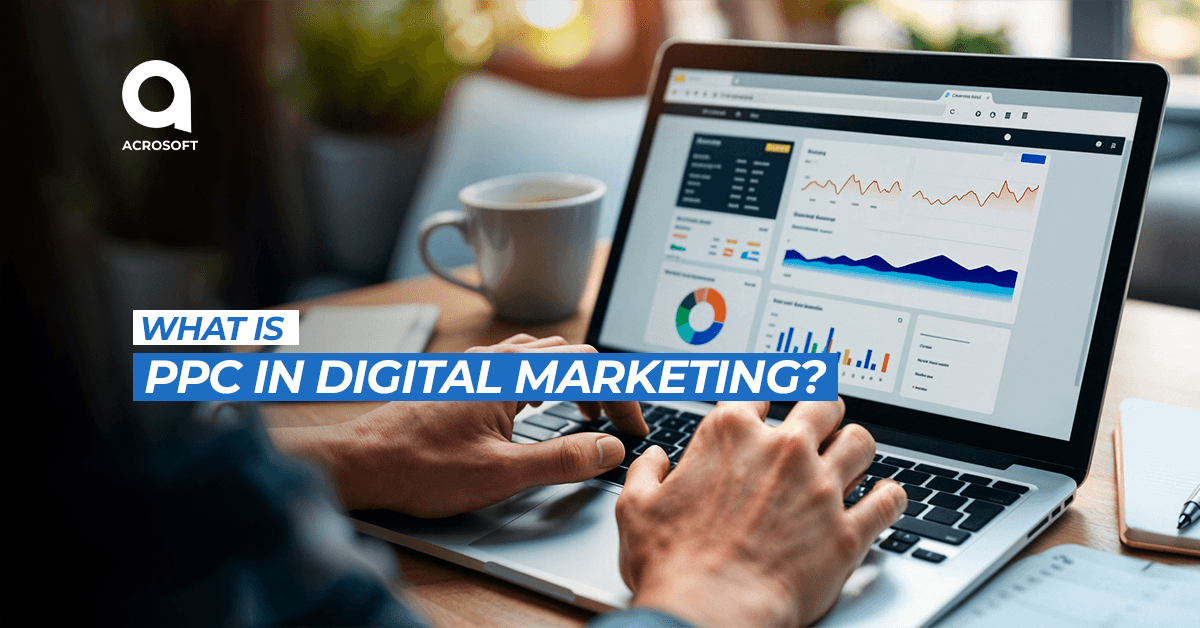
Ever wondered why some businesses show up at the top of Google instantly while others take months to get noticed? That’s where PPC comes in. PPC stands for pay-per-click. It's a form of online advertising where you only pay when someone clicks on your ad. Think of it this way: you place an ad on Google or Facebook, it reaches thousands of people, but you're only charged when someone actually clicks and visits your website.
That’s what makes PPC in digital marketing so powerful. You're not paying for impressions alone; you're paying for real visits from people actively searching for what you offer. PPC ads appear on search engines like Google and Bing, on social platforms like Facebook and LinkedIn, and across millions of websites through display networks. They blend in with regular content but target the right audience at the right time.
For businesses of all sizes, PPC is one of the most direct and controllable ways to drive traffic, generate leads, and increase sales. That’s why many businesses choose professional PPC management services for faster, targeted growth to maximize results and avoid wasted ad spend.
Speed is one of the biggest reasons businesses choose PPC. With search engine optimization, results can take months. With PPC, your ad goes live today and traffic can start flowing within hours.
Here's what the data shows:
Businesses make an average of $2 in revenue for every $1 spent on Google Ads.
PPC visitors are 50% more likely to purchase than organic traffic visitors.
65% of all high-intent searches result in someone clicking on a paid ad.
Beyond speed, PPC gives you something rare in marketing: complete measurability. You can see exactly how many people saw your ad, clicked it and took action on your site. Every dollar is tracked.
PPC also gives instant visibility on search engines, even if your website is brand new. Startups especially benefit from this because they can compete with established brands on day one. Whether you're building a campaign from scratch or refining an existing one, strong digital marketing services can make the difference between wasted spend and real results.
At its core, PPC advertising is an auction system. Advertisers compete for ad placements by bidding on keywords. When a user searches for something, the platform runs a lightning-fast auction to decide which ads appear and in what order.
It's not just about who bids the most. Ad quality matters just as much as your bid. Here's a breakdown of the key mechanics.
Keywords are the words and phrases people type into search engines. When you run a PPC campaign, you choose which keywords you want to trigger your ads. For example, if you sell running shoes, you might bid on keywords like best running shoes for men or buy trail running shoes online.
Every time someone searches those terms, your ad becomes eligible to appear. You set a maximum bid, the most you're willing to pay for a single click. But you rarely pay that full amount. Most platforms charge just enough to beat the next highest bidder.
Every time a user searches a keyword you're bidding on, an auction happens instantly. The platform evaluates all advertisers competing for that placement. The winner isn't always the highest bidder.
Platforms like Google use a metric called Ad Rank. It combines your bid with your Quality Score, which measures how relevant and useful your ad is to the user. A highly relevant ad with a lower bid can outrank a poor ad with a higher bid. This rewards advertisers who create better, more useful content.
Cost per click (CPC) is how much you actually pay each time someone clicks your ad. It varies widely based on your industry, keyword competition, and Quality Score. In competitive industries like insurance or legal services, CPCs can run $20 to $50 or more.
In less competitive niches, you might pay just a few cents per click. The good news is you control your daily and monthly budget. Once your budget runs out, your ads stop showing. No surprise bills, no overspending.
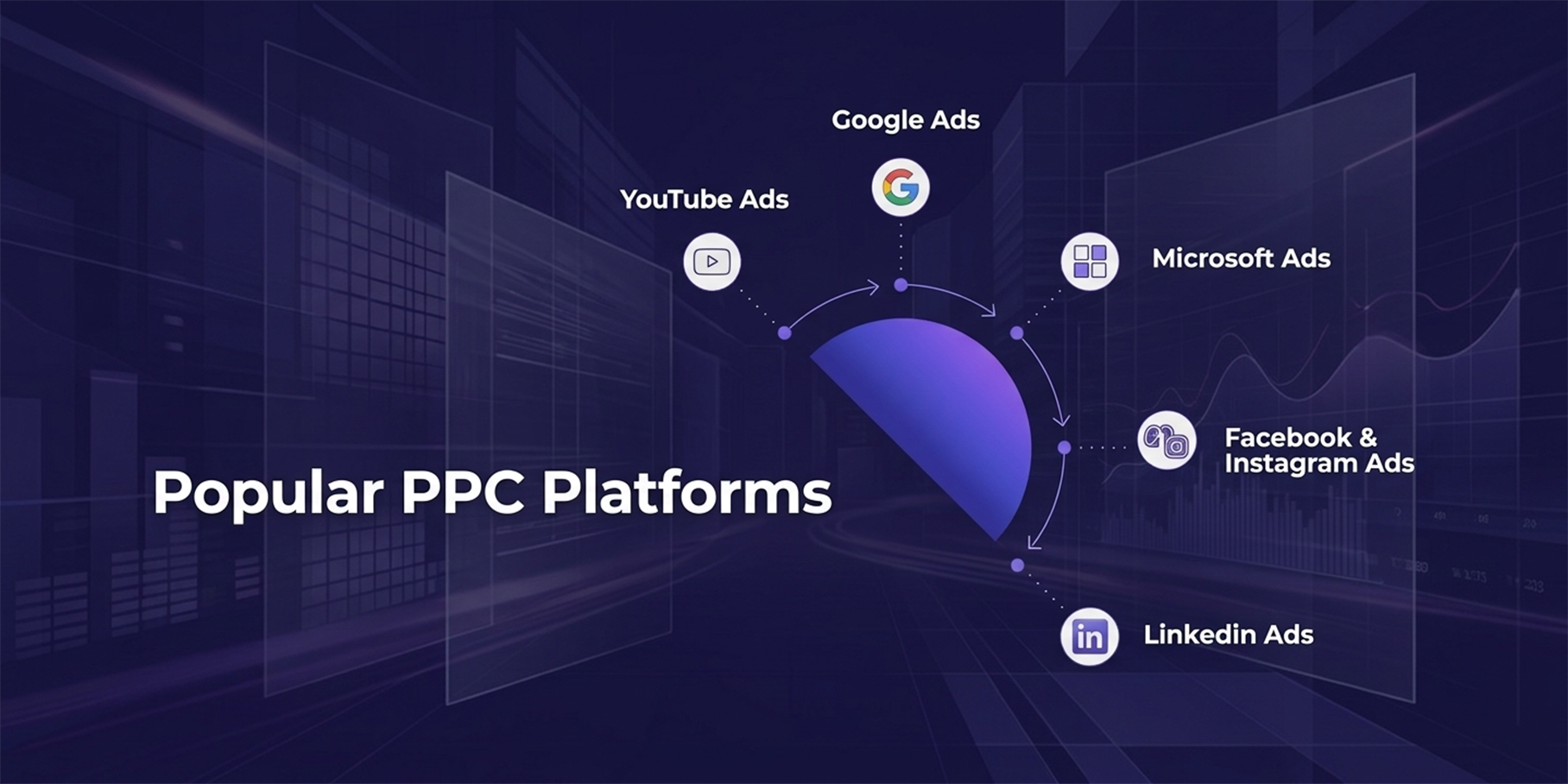
PPC isn't just Google. There are several powerful platforms where you can run pay-per-click campaigns, each with unique strengths.
Google Ads is the largest and most widely used PPC platform in the world. With billions of searches happening daily, it gives you access to an enormous audience with high purchase intent. Search ads, display ads, shopping ads and YouTube ads all run through Google Ads.
Microsoft Ads work similarly to Google Ads but on Bing, Yahoo, and partner networks. CPCs are often lower, and the audience tends to skew slightly older with higher household income. Great for businesses targeting the US market specifically.
Meta's advertising platform allows incredibly precise audience targeting. You can reach users based on age, interests, behavior, location, and even life events. Ideal for B2C brands, ecommerce, and awareness campaigns.
LinkedIn is the go-to platform for B2B PPC advertising. You can target users by job title, company size, industry and seniority. CPCs are higher, but the quality of leads for professional services and SaaS products is unmatched.
YouTube is the second largest search engine in the world. Video ads here work on a pay-per-view or pay-per-click basis. They're powerful for brand awareness, product demos, and reaching younger audiences.
PPC has become a core part of digital advertising because it delivers immediate and measurable results. Unlike SEO, it can drive traffic the same day your campaign goes live. It also allows precise targeting, reaching the right audience based on keywords, location, device, and user behavior, while giving you full control over your budget.
Another key advantage is transparency and flexibility. Every click and conversion is tracked, making it easier to optimize performance. PPC also creates a level playing field, where smaller businesses can compete effectively with the right strategy. With remarketing, you can re-engage visitors who didn’t convert on their first visit, increasing your chances of turning interest into action.
Getting started with PPC doesn’t require a big budget or advanced skills, just a clear plan. Begin by defining your goal, whether it’s driving traffic, generating leads, or making sales. Then focus on keyword research using tools like Google Keyword Planner or Semrush, prioritizing high-intent searches. Strong ad copy is essential; write clear, benefit-driven headlines with a direct call to action.
Start with a small budget to test performance, then scale once you see what works. After launching, monitor key metrics like click-through and conversion rates, and adjust based on real data. Consistent tracking and optimization are what turn basic campaigns into profitable ones.
Most beginners lose money in PPC not because it doesn’t work, but because of avoidable mistakes. Poor keyword targeting is one of the biggest issues, broad, generic terms drain budget quickly, while high-intent and well-filtered keywords perform better. Weak ad copy and sending traffic to generic pages also reduce results. Each ad should clearly match user intent and lead to a focused landing page with a single goal.
Another common problem is lack of tracking and patience. Without proper conversion tracking, it’s impossible to know what’s working. At the same time, many campaigns are stopped too early before enough data is collected. PPC requires testing, learning, and continuous optimization to deliver consistent results.
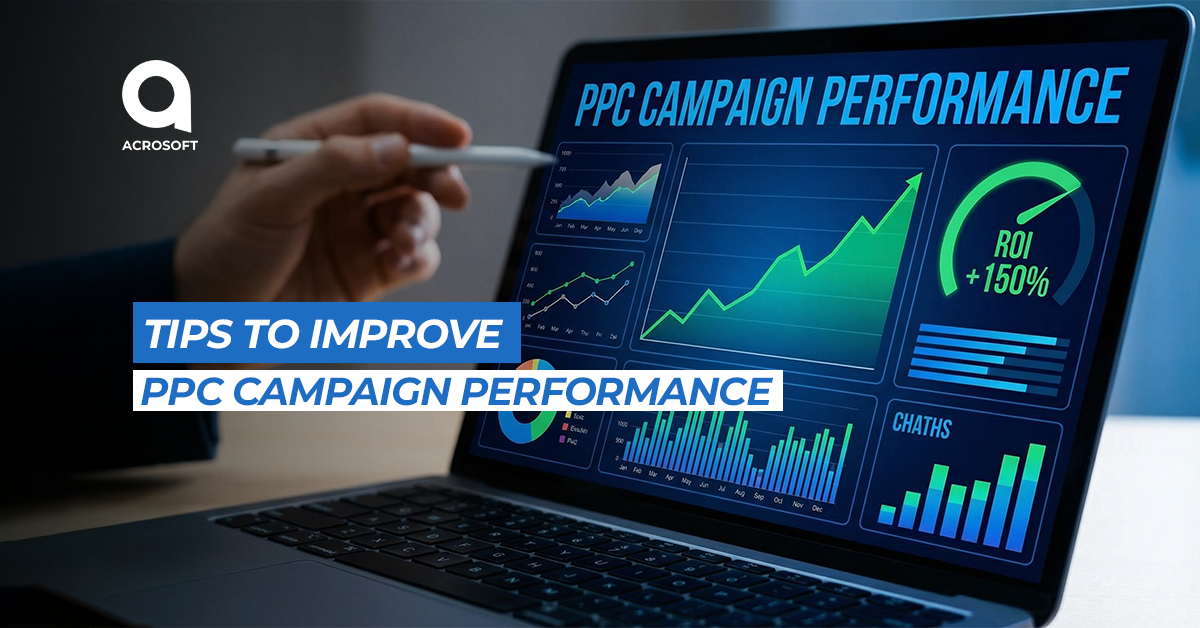
Improving PPC performance comes down to consistent optimization and smart structure. Features like ad extensions can make your ads more visible and often lead to higher click-through rates, while well-organized campaigns improve relevance and give you greater control. Regular testing, whether it’s headlines, copy, or landing pages, helps refine what works best, and even small improvements can significantly increase conversions over time. Focusing on ad relevance and landing page quality also plays a key role, as platforms like Google reward better-performing ads with lower costs and stronger positions.
Remarketing allows you to reconnect with users who have already shown interest, often leading to stronger conversion rates. Reports from platforms like Criteo show that returning visitors are significantly more likely to convert than new users. Reviewing search terms helps uncover new opportunities and reduce wasted spend, while smart scheduling ensures your ads run when your audience is most active. Industry insights from HubSpot and WordStream consistently emphasize that campaigns which are actively optimized outperform those left unchanged.
PPC is one of the fastest ways to generate leads and sales when used strategically. It works best alongside SEO and content to drive consistent growth. The key is to test, optimize and spend smarter not more. Businesses looking to scale efficiently often rely on a digital marketing agency for performance-driven growth.
PPC delivers immediate results and works great for promotions, new product launches, or competitive keywords. SEO builds sustainable, long-term organic traffic without ongoing ad spend. The smartest strategy uses both together.
PPC costs vary widely. You can start with as little as $5-$10 per day. In low-competition niches, clicks can cost a few cents. In competitive industries like law, finance, or insurance, cost per click can exceed $30-$50. There's no fixed price; you set your own budget and adjust it anytime.
Yes, for most businesses, Google Ads PPC is highly effective due to its intent-based targeting and massive search volume. When properly optimized, it can deliver strong returns. Success depends on the right keywords, compelling ads, and optimized landing pages.
Absolutely. PPC allows small businesses to set flexible budgets, target local audiences, and pay only for clicks. With smart targeting, even smaller brands can compete with larger competitors.